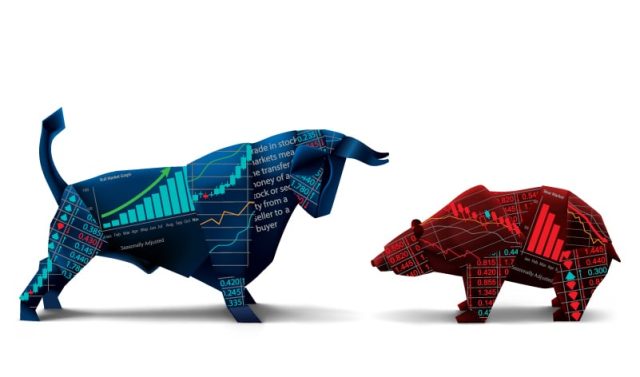




Stock Picks

The Banking Panics of the Gilded Age: What to Do Before The Coming Financial Crisis

Macro Close up of torn dollars; Shutterstock ID 1682578276; purchase_order: AWN

+ 3 stocks to dump immediately and the 3 stocks you should replace them with

In the bustling streets of New York in the late 1800s, the air was thick with the promise of prosperity. The Gilded Age, as it was known, was a time of rapid industrial growth, grandiose exhibitions of wealth, and an unshakeable belief in the American Dream. Yet, beneath the golden veneer lay a fragile foundation of speculative investments and unregulated banking practices.

A Tale of Two Brothers

The story of the O’Sullivan brothers, Michael and Thomas, is a poignant illustration of the era’s volatile nature. Irish immigrants who had sought fortune in America, they found themselves caught in the web of economic prosperity and peril. Michael, the elder, had cautiously navigated his way through the ranks of the New York banking sector, while Thomas, ever the dreamer, had thrown his lot in with the railroad tycoons, investing heavily in the seemingly unstoppable expansion of the steel rails.

As 1873 dawned, the brothers stood on the precipice of what seemed like endless possibilities. Michael’s prudent approach had earned him a modest but stable position at the Marine National Bank, one of the city’s more reputable institutions. Thomas, on the other hand, had seen his investments multiply, his wealth growing with each mile of track laid across the American continent.

But the tides turned swiftly. The Panic of 1873, triggered by the failure of Jay Cooke & Company, a major financial firm invested in railroads, sent shockwaves through the economy. The stock market plummeted, banks began to fail, and the dreams of countless investors, including Thomas, were dashed. The railroad bubble had burst, and with it, the fortunes of many.

Michael, with his cautious investments and diversified portfolio, weathered the storm. His position at the bank remained secure, even as it navigated the troubled waters of bank runs and financial uncertainty. Thomas, however, found himself destitute, his investments worthless, a stark reminder of the era’s unpredictability.

The contrast between the brothers’ fates was a microcosm of the Gilded Age itself. It was a time when the line between opulence and ruin was perilously thin, and the banking panics served as a harrowing reminder of the economic fragility that lay just beneath the surface of prosperity.

As the century turned, the lessons of the O’Sullivan brothers would resonate with those who sought to understand the complex interplay of finance, industry, and the human spirit. Their story, like many others, was etched into the annals of a transformative period in American history, a cautionary tale of the perils of unchecked speculation and the enduring value of prudence in the face of prosperity.

The Echoes of the Gilded Age in Modern Finance

As we navigate the complexities of the 21st century’s financial landscape, the echoes of the Gilded Age’s banking panics resonate with a stark warning. The opulence and grandeur of the late 19th century, mirrored in today’s towering skyscrapers and digital marketplaces, remind us that economic cycles of growth and recession are timeless. Yet, the context in which we operate has evolved dramatically.

From Telegraph to Blockchain

In the Gilded Age, news of a bank’s failure would travel by telegraph, sending investors into a frenzy that could lead to a run on the banks. Today, information is instantaneous, and the reaction times are faster, thanks to the internet and social media. The interconnectedness of global markets means that a hiccup in one economy can lead to worldwide tremors, as seen in the 2008 financial crisis.

Regulation and Oversight

The aftermath of the banking panics of the Gilded Age eventually led to increased calls for financial regulation, culminating in the establishment of the Federal Reserve System in 1913. In our times, the Dodd-Frank Act was passed in response to the Great Recession, aiming to decrease various risks in the financial system. Yet, debates continue over the balance between regulation and innovation, with fintech and cryptocurrencies presenting new challenges for policymakers.

The Role of Consumer Confidence

Consumer confidence, a critical component of economic stability, was as relevant during the panics of the Gilded Age as it is today. The confidence or lack thereof can either fuel economic expansion or exacerbate a downturn. The rise of consumer protection laws and financial literacy campaigns are modern efforts to bolster this confidence and prevent the kind of widespread panic that characterized the banking crises of the 1800s.

Technological Advancements and New Markets

The Gilded Age was marked by the rise of the railroads and steel, industries that transformed America. Today, we stand on the cusp of revolutions in green energy, biotechnology, and artificial intelligence. These sectors hold the promise of wealth similar to that of the industrial magnates of the past, but they also carry the risk of creating new bubbles that could burst with devastating consequences.

As we look back at the banking panics of the Gilded Age, it becomes clear that while the specifics of the financial instruments and the markets have changed, the fundamental dynamics of human behavior in the face of opportunity and crisis remain the same. The lessons from the past are invaluable as we strive to navigate the uncertainties of the future, seeking to avoid the pitfalls that led to the crises of yesteryear.

Navigating the Precipice: Stock Selection Before the Storm

As the modern investor stands at the crossroads, reminiscent of the uncertainty that pervaded the Gilded Age, the selection of stocks becomes a pivotal decision. Here we delve into the stocks to avoid as storm clouds gather on the financial horizon, followed by those that may offer a safe harbor.

Stocks to Avoid as Crisis Looms

1. High Debt Companies in Cyclical Industries: Companies with leveraged balance sheets, especially in sectors like automotive and construction, which are highly sensitive to economic cycles, are particularly vulnerable. As consumer spending retracts, these companies may struggle to service their debt, leading to a downward spiral.

2. Non-Essential Consumer Goods: Luxury item manufacturers, such as high-end apparel and electronics, often see their revenues plummet as disposable income shrinks during economic downturns. Their stocks can be expected to underperform in a crisis environment.

3. Unprofitable Tech Start-Ups: Many tech companies, despite their innovative edge, operate at a loss, burning through cash with the expectation of future profitability. In a credit crunch, these companies may find it challenging to secure the necessary capital to continue operations, making their stocks risky bets.

Stocks to Consider for Crisis Preparedness

1. Consumer Staples: Companies that provide essential goods, such as food, household products, and healthcare items, tend to be more resilient during economic downturns. Stocks like Procter & Gamble (PG) and Johnson & Johnson (JNJ) have historically offered stability and consistent dividends, which can be attractive during market volatility.

2. Utility Providers: Utilities are often considered defensive stocks due to the inelastic demand for their services. Companies like NextEra Energy (NEE) not only provide a necessary service but are also investing in the growing renewable energy sector, potentially offering growth alongside stability.

3. Gold and Precious Metals Miners: In times of crisis, investors often flock to gold as a safe haven. Stocks such as Newmont Corporation (NEM) can provide exposure to the stability of precious metals, which often appreciate in value during periods of high uncertainty and inflation.

Conclusion: The Prudent Path Forward

The echoes of the Gilded Age serve as a cautionary tale, reminding us that the excesses of prosperity can lead to the depths of despair. As investors, the key to weathering the storms of economic crises lies in prudence, diversification, and a keen understanding of history. By avoiding the allure of over-leveraged, cyclical, and non-essential stocks, and instead focusing on the staples of life, the utilities that power our homes, and the timeless value of precious metals, we can navigate the tumultuous waters of the market with a greater sense of security. In doing so, we honor the lessons of the past while forging a path to a more stable financial future.

Where to invest $500 Right Now?

Before you consider buying any of the stocks in our reports, you’ll want to see this.

Investing legend, Marc Chaikin just revealed his #1 stock for 2024

And it’s not in any of our reports.

During his career of nearly 50 years, Marc Chaikin was one of the quantitative minds behind some of the most famous investors in history: Paul Tudor Jones, George Soros, Steve Cohen, and Michael Steinhardt.

Even the Nasdaq hired him to create three new indices.

And now he’s going live with his #1 pick for 2024.

You can learn all about it on Mr. Chaikin’s Website, here.

Wondering what stock he’s investing in?

Click here to watch his presentation, and learn for yourself

But you have to act now, because a catalyst coming in a few weeks is set to take this company mainstream… And by then, it could be too late.

Click here to reveal the name and ticker of Marc Chaikin’s no. 1 pick for 2024


The Apple of AI: 3 AI Stocks That Could Hit $1 Trillion

Most people would kill for a second chance to invest in Apple in its early days. But with $15.7 trillion in wealth-generating potential, artificial intelligence is giving investors another shot at life-changing returns.

Each of the companies below could revolutionize AI just like Apple revolutionized personal computing. (Make sure to check out company #3).

Apple of AI Stock #1: Adobe Inc (NASDAQ: ADBE)

Adobe (ADBE) is making significant strides in the AI sector with its Firefly generative AI service. This tool can generate unique content from user descriptions, and in its first month, it produced over 70 million images. Adobe has partnered with Google to integrate the Content Authenticity Initiative’s (CAI) technology into Firefly, underscoring its commitment to accountability and transparency. Adobe is also advancing its Sensei GenAI services, combining generative AI with years of innovation to address concerns related to copyright and harmful content.

Apple of AI Stock #2: Palantir Technologies (NYSE: PLTR)

Palantir Technologies (PLTR) was an early adopter of AI. The data analytics powerhouse has a robust portfolio spanning high-end data analytics to predictive modeling. Recently, the firm moved into large language models (LLMs) with its AI-based platform. This chatbot, coupled with Palantir’s formidable data processing capabilities, should enable a more refined service to its users. Palantir’s solid financial standing, with two consecutive quarters of GAAP net income profitability and a 36% free cash flow margin in its most recent quarter, supports its long-term growth trajectory.

Apple of AI Stock #3: Elon Musk’s “Project Omega”

The company that has the best chance of overtaking Apple is at the center of one of Elon Musk’s most important projects ever.

it’s called “Project Omega.”

It has nothing to do with Starlink, SpaceX, or Tesla.

Yet Forbes says “Project Omega” is set to “unleash the greatest profit engine in history.”

At the same time, I believe it’s also going to trigger an unprecedented wealth gap, leaving millions of everyday people behind.

You can be on the winning side of this paradigm shift.

Because there are 3 steps anybody can take to get a slice of that multi-trillion dollar pie…

But you have to take them fast…

Because Musk’s new tech is growing at warp-speed.

It’s being adopted 42 times faster than the internet…

Meaning, people are jumping on it extremely fast…

So if you wait too long, it might be impossible to get in.

Click here to sell all the details about this opportunity.

The Phantom Trader of Wall Street

In the dimly lit corridors of Wall Street, where fortunes are made and lost in the blink of an eye, legends are born. One such legend is that of the Phantom Trader. It was the tumultuous year of 1987, just days before the infamous Black Monday. Whispers began circulating about a mysterious trader who seemed to predict market movements with uncanny accuracy. No one knew his real name, and no one had ever seen him. All that was known was his unique trading signature, which appeared on the most unexpected trades, always ahead of major market shifts.

Some said he was a time traveler, others believed he had developed an algorithm of unparalleled precision, and yet others thought he was just a myth. But when Black Monday hit, and the market crashed by over 20% in a single day, the Phantom Trader’s legend was solidified. Days before the crash, he had placed massive short positions, making a fortune while others faced ruin.

The Art of Hedging

The tale of the Phantom Trader serves as a stark reminder of the unpredictability of markets and the importance of hedging. Hedging is the practice of making an investment to reduce the risk of adverse price movements in an asset. It’s like taking out an insurance policy; you might not need it, but if disaster strikes, you’ll be glad you have it.

Why Hedge?

Markets are inherently volatile. Economic data, geopolitical tensions, natural disasters, and now, even tweets can send stocks tumbling. Hedging allows investors to protect their portfolios against unforeseen downturns. It’s not about making money but about preserving it.

Three Stocks to Hedge Against Economic Crashes

  1. Goldman Sachs ActiveBeta U.S. Large Cap Equity ETF (GSLC): This ETF offers exposure to large-cap U.S. stocks but uses a multi-factor approach to select stocks based on value, momentum, quality, and low volatility. It’s a diversified way to tap into the stability of established companies that are likely to weather economic downturns.
  2. iShares 20+ Year Treasury Bond ETF (TLT): When stock markets crash, investors often flock to the safety of U.S. Treasury bonds, driving their prices up. TLT provides exposure to long-term U.S. Treasury bonds, making it a classic hedge against stock market volatility.
  3. ProShares Short S&P500 (SH): This ETF aims to provide investment results that correspond to the inverse of the daily performance of the S&P 500. If the S&P 500 goes down, SH is designed to go up, making it a direct hedge against market downturns.

Epilogue: Embracing the Unknown

While the legend of the Phantom Trader remains shrouded in mystery, the lessons it offers are clear. Markets are unpredictable, and while we can’t foresee every twist and turn, we can prepare for them. Hedging is not about predicting the future but about being ready for it, whatever it may hold.

In the world of investing, as in life, it’s not the unknown that should be feared, but being unprepared for it. The Phantom Trader of Wall Street may be a legend, but the importance of hedging is very much a reality.

Where to invest $500 Right Now?

Before you consider buying any of the stocks in our reports, you’ll want to see this.

Investing legend, Marc Chaikin just revealed his #1 stock for 2024

And it’s not in any of our reports.

During his career of nearly 50 years, Marc Chaikin was one of the quantitative minds behind some of the most famous investors in history: Paul Tudor Jones, George Soros, Steve Cohen, and Michael Steinhardt.

Even the Nasdaq hired him to create three new indices.

And now he’s going live with his #1 pick for 2024.

You can learn all about it on Mr. Chaikin’s Website, here.

Wondering what stock he’s investing in?

Click here to watch his presentation, and learn for yourself

But you have to act now, because a catalyst coming in a few weeks is set to take this company mainstream… And by then, it could be too late.

Click here to reveal the name and ticker of Marc Chaikin’s no. 1 pick for 2024

U.S.-China Rivalry in the Epoch of Artificial Intelligence

As we stand on the precipice of a new era, the world watches the titans of global power, the United States and China, in a relentless tussle for supremacy in artificial intelligence (AI). But beneath this surface of geopolitical rivalry lies a terrain far more complex and transformative. We are witnesses not just to a race between nations, but to a seismic shift in the very fabric of our society, driven by the untamable force that is AI.

The American Conundrum: Balancing Ethics and Progress

In the land of the free, the pursuit of AI is a chess game of moral quandaries. The U.S., in its hallmark style, weighs the scales of innovation against those of ethical implications. The nation’s democratic ideals extend into its technological endeavors, embedding concerns for privacy, fairness, and autonomy in the heart of policy-making.

This ethical compass, however, comes at a cost. Each regulatory measure, each call for accountability, potentially reins in the galloping horses of innovation. While Silicon Valley bustles with ideas, the hand of caution threatens to dim its creative spark. The question then arises: In a race against a powerhouse like China, can the U.S. afford its moral reservations?

The Chinese Ambition: A Leap Towards AI Dominance

Turning our gaze eastward, China’s approach to AI is nothing short of a moonshot. It’s a blitz of state-sponsored initiatives, relentless capital infusion, and an integration of AI into the societal framework that borders on the Orwellian. For China, AI is not just a sector of the economy; it’s the linchpin of a national renaissance.

But the path China treads is fraught with its own perils. The very aggressiveness of its AI pursuit raises global eyebrows, inviting international resistance. More so, the internal compromise of quality for speed and quantity, a remnant of its industrial past, looms over its technological future.

AI: The Unbridled Stallion

Yet, as we dissect the strategies of these global behemoths, we come to a startling realization: AI refuses to be a pawn in a traditional power game. Its realm spills over political borders, drawing from a global well of knowledge and innovation. From the tech hubs of Bangalore and Tel Aviv to the universities of London and Toronto, the AI revolution is a mosaic of global contributions.

In this landscape, the idea of containing China’s AI advancement is a mirage. The technology, with its roots now deeply intertwined around the world, is a genie that won’t go back into the lamp. The discourse must shift from competition to cooperation, from hoarding knowledge to exchanging it.

Navigating the Ripple Effect

The stakes are monumental. AI’s tendrils extend into the economy, labor market, military, and even the sanctums of our personal lives. It’s a catalyst for both harmony and disruption. The automation of jobs, the digitalization of warfare, the customization of healthcare, and the potential for mass surveillance – these are not chapters of a science fiction novel but pages of our immediate future.

Strategizing for a Future Co-Written by AI

As we ponder on this, let’s turn our attention to the investment frontier. How do we, the stewards of our financial futures, navigate this uncharted territory? Here are three stocks that are strategically positioned in this new world order:

  1. NVIDIA Corporation (NVDA): This tech titan is at the forefront of AI computing. Its graphics processing units (GPUs) are the engines powering AI research and development globally, making it a critical player in the AI ecosystem.
  2. Alphabet Inc. (GOOGL): Beyond its search engine empire, Alphabet is a pioneer in AI, with ventures in autonomous vehicles, healthcare, and more. Its deep involvement in AI research and ethical debate places it at the heart of this technological evolution.
  3. Baidu, Inc. (BIDU): Often dubbed the “Google of China,” Baidu stands as a testament to China’s AI ambition. With significant investment in AI, including autonomous driving and language processing, Baidu is a key player in the global AI arena.

In the Theatre of Global Power: A Paradigm Shift

Dear reader, as the drama of power unfolds, we find ourselves at a crossroads. The U.S.-China rivalry in AI is not the centerpiece of this narrative, but merely a subplot. The protagonist is AI itself, charting a course of its own, beckoning us to rise above nationalistic competition and embrace a new paradigm of global collaboration and responsible stewardship.

As we venture into this brave new world, our strategies must evolve. Our investments must reflect not just economic foresight but also social responsibility and a deep understanding of the transformative power of technology.

In this era of intelligent machines, may we remain the wise ones, steering our society towards prosperity, peace, and innovation in the spirit of humanistic values.

Until next time, may your investments be bold and your judgment sound.

Tom Anderson, Wall Street Letters

Where to invest $500 Right Now?

Before you consider buying any of the stocks in our reports, you’ll want to see this.

Investing legend, Marc Chaikin just revealed his #1 stock for 2024

And it’s not in any of our reports.

During his career of nearly 50 years, Marc Chaikin was one of the quantitative minds behind some of the most famous investors in history: Paul Tudor Jones, George Soros, Steve Cohen, and Michael Steinhardt.

Even the Nasdaq hired him to create three new indices.

And now he’s going live with his #1 pick for 2024.

You can learn all about it on Mr. Chaikin’s Website, here.

Wondering what stock he’s investing in?

Click here to watch his presentation, and learn for yourself

But you have to act now, because a catalyst coming in a few weeks is set to take this company mainstream… And by then, it could be too late.

Click here to reveal the name and ticker of Marc Chaikin’s no. 1 pick for 2024


Fintech: The Great Digital Gold Rush of Our Time

Dear Reader,

In the mid-19th century, a man named James W. Marshall spotted shiny flecks of hope in the American River. It was gold, and word of this discovery spread like wildfire, igniting the famed California Gold Rush. Fast forward to today, and we’re witnessing a similar spectacle. But this time, it’s not a precious metal setting hearts and minds ablaze; it’s the digital luster of financial technology, or ‘fintech.’

The Allure of Uncharted Territories

Just as the promise of untold riches drew legions of prospectors westward, the potential of fintech is attracting a new breed of pioneers. These modern-day seekers aren’t braving the wild frontiers of the American West; they’re venturing into the virtual realms of cyberspace. Their tools aren’t pickaxes and sluice boxes, but algorithms, cryptography, and cutting-edge software.

In the 1800s, the terrain was treacherous, the journey fraught with peril. Today, the risks are no less significant. Fintech explorers face volatile markets, regulatory ambushes, and the ever-present threat of cyber outlaws. Yet, the call of digital gold is too potent to ignore, echoing the relentless spirit of yesteryears’ fortune hunters.

Eureka: Striking Gold in the Digital Age

The original gold rush was a crucible of innovation. It wasn’t just the miners who struck it rich but the entrepreneurs who sold them supplies, built the railways, and established banks. Similarly, fintech isn’t just about digital currencies or online transactions. It’s a catalyst for a broader economic and social transformation.

Consider how e-commerce giants like Amazon and Alibaba have revolutionized retail, laying the groundwork for digital payment platforms. Or ponder the rise of cryptocurrencies, challenging our very notions of what money is and can be. These aren’t mere shifts; they’re tectonic movements altering the financial landscape’s bedrock.

Navigating the New Frontier’s Perils

But let’s not wade through these waters with rose-tinted spectacles. The digital gold rush, much like its predecessor, is awash with both promise and peril. For every bona fide opportunity, a slew of digital mirages awaits to ensnare the unwary. Scams, hacks, and failed startups litter this landscape like the ghost towns of the Gold Rush era.

Prospecting for Prosperity: The Shrewd Path Forward

So, how does one stake a claim in this new frontier without falling prey to pitfalls? Here are three enterprises that not only embody the spirit of this revolution but also offer a semblance of stability in the whirlwind of change:

  1. Adyen N.V. (ADYEN): Much like Levi Strauss during the Gold Rush, Adyen is establishing itself as an indispensable part of the commerce ecosystem, handling transactions with a reliability that’s golden.
  2. Shopify Inc. (SHOP): Shopify stands as the general store of the digital age, providing the tools for businesses to thrive. Its universal presence in the e-commerce world speaks volumes of its foundational stability.
  3. NVIDIA Corporation (NVDA): NVIDIA’s technological prowess is the bedrock upon which much of fintech’s infrastructure is built. Like the railroads of the 1800s, it’s connecting and empowering industries, driving progress forward.

The Echoes of History as Our Guide

As we navigate this digital El Dorado, the echoes of the past serve as our guide. The Gold Rush was a period of feverish progress, boundless opportunity, and stark reminders of risk. The fintech revolution is its mirror, reflecting the same human ambitions, desires, and indomitable will.

We stand on a precipice, the digital winds of change at our backs, gazing out at a horizon glittering with potential. The question now, as it was then, is simple: Do you have the daring to chase this new kind of gold?

Forge your path wisely, dear reader, for in this quest, fortune favors the bold.

Until we meet again on this journey,

Tom Anderson, Wall Street Letters

Where to invest $500 Right Now?

Before you consider buying any of the stocks in our reports, you’ll want to see this.

Investing legend, Marc Chaikin just revealed his #1 stock for 2024

And it’s not in any of our reports.

During his career of nearly 50 years, Marc Chaikin was one of the quantitative minds behind some of the most famous investors in history: Paul Tudor Jones, George Soros, Steve Cohen, and Michael Steinhardt.

Even the Nasdaq hired him to create three new indices.

And now he’s going live with his #1 pick for 2024.

You can learn all about it on Mr. Chaikin’s Website, here.

Wondering what stock he’s investing in?

Click here to watch his presentation, and learn for yourself

But you have to act now, because a catalyst coming in a few weeks is set to take this company mainstream… And by then, it could be too late.

Click here to reveal the name and ticker of Marc Chaikin’s no. 1 pick for 2024

David vs. Goliath: The Revolutionary Shift to Alternative Finance

In every era, a story unfolds that defines the times. Today, we bear witness to an epic financial showdown reminiscent of the legendary battle between David and Goliath. In our tale, Goliath takes form as the traditional banking behemoths, colossal in power, steeped in centuries of dominance. They stand, seemingly invincible, safeguarding their hoards, wielding fees like swords, and constructing bureaucratic labyrinths instead of providing shelters.

But in the shadows, a challenger emerges: David, the embodiment of alternative banking. Agile, innovative, armed with the slingshot of technology, David is poised to disrupt the financial status quo. This isn’t just a battle for dominance; it’s a fight for the future of how money moves around the world.

The Unyielding Colossus

Goliath, with feet firmly planted, believes in its invulnerability. Banks have long dictated the ebb and flow of wealth, building empires on the sands of time. But sands shift, and empires crumble. The 2008 financial crisis revealed cracks in the armor, exposing vulnerabilities that shook the world to its core. Yet, the giant didn’t adapt; it carried on, blind to the winds of change.

The Sling of Innovation

Enter David, with the revolutionary sling of fintech and blockchain. Unlike Goliath, David doesn’t rely on brute strength but on precision and agility. Cryptocurrencies bypass traditional pathways, offering financial inclusivity and freedom. DeFi platforms turn banking on its head, providing services without intermediaries, a true rebellion against financial dictatorship.

The Stones That Could Topple a Giant

David’s stones are few but potent. The first is transparency, stripping away the obscurity in banking. The second, accessibility, providing financial services to the unbanked and underbanked, a blow to Goliath’s elite clientele approach. The third and deadliest is autonomy – the power back in the people’s hands, no longer held captive by corporate whims.

The Battlefield Picks No Favorites

But a battlefield is unpredictable. David, for all his virtues, treads volatile ground. The crypto space is a fluctuating tide, with regulatory specters looming. Each step forward is momentous, but the risk of a misstep is ever-present, a reminder that victory is not yet assured.

Strategizing for the Showdown’s Outcome

As we brace for more clashes in this financial epic, here are the three bastions to consider:

  1. Square, Inc. (SQ): In the realm of fintech, Square leads the charge, a true embodiment of David’s spirit. Its defiance against traditional banking norms marks it as a potential cornerstone in the new financial order.
  2. Coinbase Global, Inc. (COIN): Standing at the crossroads of the old and new worlds, Coinbase presents a harmonious blend, offering a structured gateway into the often chaotic crypto domain.
  3. Ethereum (ETH): Beyond a cryptocurrency, Ethereum represents a foundational shift, the very ground upon which the forces of DeFi march towards the looming Goliath.

In the Throes of Revolution

As this modern-day David and Goliath saga unfolds, we are more than mere spectators; we are participants. The question remains, will you side with the lumbering giant, clinging to the vestiges of old power? Or will you take a stand with David, embracing the risks for a taste of financial liberation?

The slingshot is in your hands, the stones are at your feet, and the Goliath of traditional banking is within range. It’s time to take aim and change the world.

Until the next chapter in this saga,

Tom Anderson

Where to invest $500 Right Now?

Before you consider buying any of the stocks in our reports, you’ll want to see this.

Investing legend, Marc Chaikin just revealed his #1 stock for 2024

And it’s not in any of our reports.

During his career of nearly 50 years, Marc Chaikin was one of the quantitative minds behind some of the most famous investors in history: Paul Tudor Jones, George Soros, Steve Cohen, and Michael Steinhardt.

Even the Nasdaq hired him to create three new indices.

And now he’s going live with his #1 pick for 2024.

You can learn all about it on Mr. Chaikin’s Website, here.

Wondering what stock he’s investing in?

Click here to watch his presentation, and learn for yourself

But you have to act now, because a catalyst coming in a few weeks is set to take this company mainstream… And by then, it could be too late.

Click here to reveal the name and ticker of Marc Chaikin’s no. 1 pick for 2024

China vs. United States: Global Race for Rare Earth Metals

Plus our 3 favorite stocks for 2024

Deep in the heart of a rare earth mine, John, a third-generation miner, can feel the weight of history and the urgency of the future with every swing of his pickaxe. It’s not just minerals he’s unearthing; it’s the fuel for a technological revolution. As he wipes the sweat from his brow, he can’t help but feel the tremors of a global race that transcends borders – a silent tussle between the U.S. and China, the juggernauts vying for control over these precious elements.

John’s story is echoed across countless mines in America, forming the bedrock of a national effort. The U.S., once reliant on China for over 80% of its rare earth imports, has felt the vulnerability of its supply chains. The recent tensions have only intensified the pursuit, making every unearthed mineral a small triumph in a larger geopolitical narrative.

The Geopolitical Chessboard: U.S. and China’s Tug of War

The rare earth elements (REE) industry has become a focal point in the U.S.-China trade and technological confrontations. According to a report from Foreign Policy, the U.S. government’s realization of overdependence on Chinese REE has spurred a strategic push to revitalize domestic mining and processing industries. This initiative isn’t just about economic gain; it’s a matter of national security and technological sovereignty.

China, holding the lion’s share of global REE processing capacity, understands the leverage it possesses. CNBC highlights how China’s dominance makes U.S. supply chains vulnerable, a concern that became palpable when China threatened to cut off rare earth exports during the trade disputes of 2019. With 85% of U.S. rare earth imports coming from China, the stakes couldn’t be higher.

The U.S. response has been swift and strategic, marked by initiatives to form alliances with Australia and Canada and investments in domestic ventures like the Mountain Pass mine in California. These moves aim to reduce the U.S.’s dependency on Chinese imports from 80% to 25% by 2030, a shift that would reconfigure global supply dynamics.

Invisible Architects: The Silent Force Powering Modernity

Rare earth metals are the unsung heroes of modern technology. From smartphones, electric vehicles, and wind turbines to defense technologies like jet engines and missile guidance systems, these elements are integral to the fabric of contemporary life. Their unique magnetic, luminescent, and electrochemical properties make them irreplaceable in a plethora of applications.

However, the journey from mineral ore to refined elements is a testament to human tenacity in the face of environmental and technical challenges. The process is not only expensive and complex but also fraught with ecological implications, necessitating sustainable practices and responsible stewardship.

The global market for rare earths, driven by the insatiable demand for high-tech consumer products and green technologies, is projected to soar, potentially reaching $14.43 billion by 2025. This surge underscores the escalating urgency for diversifying supply chains and investing in sustainable extraction and processing techniques.

Navigating the Rare Earth Investment Terrain: Three Stocks to Watch

As the world grapples with the dual challenge of advancing technology and safeguarding ecological integrity, investing in rare earth metals presents a unique opportunity. Here are three stocks that are pivotal in this sector:

  1. MP Materials Corp (MP)
    • Overview: MP Materials owns and operates Mountain Pass, the only rare earth mining and processing site of scale in North America. They are a fundamental link in the global supply chain, providing approximately 15% of the world’s rare earth content.
    • Analysis: With its strategic position in the global market, robust environmental standards, and focus on innovation, MP Materials stands as a solid investment in the rare earth sector. Their commitment to closing the rare earth supply chain loop is a significant step toward market resilience.
  2. Lynas Rare Earths Ltd (LYC)
    • Overview: Lynas Corporation operates the Mt Weld Mine and Concentration Plant in Australia and the Lynas Advanced Material Plant (LAMP) in Malaysia. They have a strong production base, supplying the global market with rare earth products.
    • Analysis: Lynas has made strides in sustainable mining practices and is well-positioned in the market with its robust supply chain. The company’s expansion plans and its emphasis on sustainability and compliance make it a promising investment.
  3. China Northern Rare Earth Group High-Tech Co., Ltd (600111.SS)
    • Overview: As part of the six major full-industry chain rare earth enterprises in China, the company has comprehensive operations spanning mining, smelting, and processing of rare earth metals.
    • Analysis: Given China’s dominance in the rare earth industry, investing in a Chinese company offers direct entry into this booming market. Their extensive resources, government support, and growing emphasis on environmental standards contribute to a positive outlook for investors.

Conclusion: Embracing the Elements of Progress

As John and thousands of miners like him continue their daily pursuits, they’re not just extracting elements; they’re reclaiming their nation’s autonomy in the face of a global power shift. The rare earth saga is far from over, with each new policy and mine bringing us closer to a future where technological and defense imperatives are secure within national borders.

Investors in this sector aren’t just spectators; they’re contributors to a narrative of resilience, innovation, and foresight. As the U.S. and China continue their strategic plays, the market will respond with opportunities reflective of this new era’s complexities and promises.

Where to invest $500 Right Now?

Before you consider buying any of the stocks in our reports, you’ll want to see this.

Investing legend, Marc Chaikin just revealed his #1 stock for 2024

And it’s not in any of our reports.

During his career of nearly 50 years, Marc Chaikin was one of the quantitative minds behind some of the most famous investors in history: Paul Tudor Jones, George Soros, Steve Cohen, and Michael Steinhardt.

Even the Nasdaq hired him to create three new indices.

And now he’s going live with his #1 pick for 2024.

You can learn all about it on Mr. Chaikin’s Website, here.

Wondering what stock he’s investing in?

Click here to watch his presentation, and learn for yourself

But you have to act now, because a catalyst coming in a few weeks is set to take this company mainstream… And by then, it could be too late.

Click here to reveal the name and ticker of Marc Chaikin’s no. 1 pick for 2024

The Titans of American Oil

In the late 1850s, the American oil industry was nothing more than an inkling in the minds of ambitious entrepreneurs. Among them was Edwin Drake, a former railroad conductor, who journeyed to Titusville, Pennsylvania, driven by reports of ‘rock oil’ seeping from the ground. Despite mockery from locals, Drake’s persistence led to the establishment of the first commercial oil well in 1859, a breakthrough that would forever change the American landscape.

But the story of oil is not just about the resource; it’s about the indomitable spirits of those who pursued it. Men like John D. Rockefeller, who entered the fledgling industry by investing in a Cleveland refinery. Rockefeller’s Standard Oil grew, absorbing competitors and innovating transportation and refining methods, eventually controlling 90% of America’s refineries and pipelines. His empire, though controversial, laid the groundwork for the modern oil industry.

Parallel to Rockefeller’s ascent, others like Samuel Dodd made legal strides, navigating corporate laws to establish trusts, reshaping the business landscape. Meanwhile, pioneers like Lyne Taliaferro Barret drilled the first oil well in Texas, and Patillo Higgins foresaw the potential of the Spindletop area, leading to a gusher that marked the Texas Oil Boom. These visionaries, though different in approach, were united by resilience, innovation, and sheer willpower.

From Barons to Modern Moguls: America’s Evolution Powered by Oil

The legacies of early oil barons set the stage for America’s global economic dominance. Towns like Tulsa and Beaumont transformed from sleepy communities to booming cities, known as the “Oil Capitals of the World.” The wealth generated from oil financed institutions, universities, and infrastructural projects, embedding the industry within the American identity.

Throughout the 20th century, the influence of oil magnates extended beyond business, impacting politics and society. The Mellon family, known for Gulf Oil, wielded significant political influence, with Andrew Mellon serving as the U.S. Secretary of the Treasury. Families like the Gettys and the Hunts became synonymous with wealth and philanthropy, their fortunes built on oil shaping cultural and artistic institutions.

However, the landscape wasn’t without conflict. Monopoly-busting laws fragmented giants like Standard Oil, spawning companies that remain industry leaders, like ExxonMobil and Chevron. Labor strikes, environmental debates, and geopolitical tensions over oil-rich regions underscored oil’s complexity in global economics and politics.

Oil’s Global Theater: Powering Economies, Shaping Conflicts

Oil, often termed ‘black gold,’ has been at the heart of global events, from both World Wars to the modern Middle East conflicts. Nations’ insatiable thirst for energy turned oil fields into strategic assets, influencing diplomatic relationships and military strategies. The 1973 OPEC oil embargo, a geopolitical maneuver in the Arab-Israeli conflict, demonstrated oil’s power, triggering economic shockwaves worldwide.

Today, oil’s influence permeates all economic sectors, from petrochemicals to transport. Fluctuations in oil prices can send global markets spiraling, affecting consumer products, from groceries to airline tickets. Developing nations, seeking the wealth that oil brought to countries like the United Arab Emirates and Saudi Arabia, grapple with ‘resource curses,’ where oil wealth doesn’t translate to societal benefit.

As climate change concerns mount, the industry faces existential questions, balancing profitability with environmental responsibility. However, even green technologies rely on oil for production components, making a complete departure from oil a distant reality.

Investing in Liquid Gold: Three Stocks for the Savvy Investor

Despite market volatility and geopolitical tensions, oil investment offers substantial returns. Here are three U.S. oil stocks representing the industry’s past, present, and future:

  1. ExxonMobil (XOM)
    • Overview: One of Standard Oil’s successors, ExxonMobil stands as the largest direct descendant. Despite recent challenges, its diversified portfolio, spanning from upstream to downstream operations, presents a stable investment.
    • Analysis: With strategies addressing environmental concerns and investments in sustainable energy, ExxonMobil aims to retain market relevance, offering long-term investment security.
  2. Chevron (CVX)
    • Overview: Another Standard Oil offshoot, Chevron, commands respect in the industry. Its global presence and balanced energy portfolio make it a formidable ExxonMobil counterpart.
    • Analysis: Chevron’s commitment to lowering carbon emissions and its robust capital allocation strategy favor risk-mitigated, long-term growth, appealing to environmentally conscious investors.
  3. ConocoPhillips (COP)
    • Overview: The world’s largest independent exploration and production company, ConocoPhillips has a history stretching back over a century.
    • Analysis: With a focus on high-margin, low-cost projects, and a forward-looking approach to renewable energy investment, ConocoPhillips offers a blend of stability and innovation.

Conclusion: The Undying Legacy of American Oil

From Edwin Drake’s first oil well to today’s energy conglomerates, oil’s saga is a testament to human ingenuity and ambition. As we stand on the cusp of renewable energy frontiers, oil’s historical significance and future potential remain undeniable. For investors, these stocks are not just financial instruments but tickets to a continuing journey, a saga of triumph, tribulation, and the relentless human spirit.

Where to invest $500 Right Now?

Before you consider buying any of the stocks in our reports, you’ll want to see this.

Investing legend, Marc Chaikin just revealed his #1 stock for 2024

And it’s not in any of our reports.

During his career of nearly 50 years, Marc Chaikin was one of the quantitative minds behind some of the most famous investors in history: Paul Tudor Jones, George Soros, Steve Cohen, and Michael Steinhardt.

Even the Nasdaq hired him to create three new indices.

And now he’s going live with his #1 pick for 2024.

You can learn all about it on Mr. Chaikin’s Website, here.

Wondering what stock he’s investing in?

Click here to watch his presentation, and learn for yourself

But you have to act now, because a catalyst coming in a few weeks is set to take this company mainstream… And by then, it could be too late.

Click here to reveal the name and ticker of Marc Chaikin’s no. 1 pick for 2024


Starlight Riches: The Tale of a Space Prospector

In the late 1970s, amid the Cold War’s space race, a lesser-known narrative unfolded. Jacob “Jake” Mattingly, a geologist and bona fide dreamer, believed space held untapped wealth, akin to the gold rush that once swept through his home state of California. While NASA and the Soviet space program were locked in a battle of cosmic proportions, Jake set his sights on asteroids, convinced they were laden with precious metals.

Armed with nothing but indomitable spirit, a telescope, and rudimentary calculations, Jake would gather with like-minded enthusiasts under clear night skies, charting and theorizing. They were the outliers, the dreamers not in pursuit of political victory but cosmic fortune. Though Jake never lived to see his aspirations realized, his diaries, detailing what many called ‘the ramblings of a space prospector,’ would decades later become a foundation for space mining ventures.

Beyond the Stratosphere: The Economic Potential of Space

Jake’s foresight is only now coming into fruition. The space economy extends beyond governmental space programs; it encapsulates various industries, including satellite telecommunications, space exploration, and even tourism. With the privatization of spaceflight (companies like SpaceX and Blue Origin leading the charge), a new era dawns.

The potential economic impact is staggering. Morgan Stanley estimates the global space industry could generate revenue of more than $1 trillion by 2040. We stand on the precipice of the next significant economic revolution, one not confined by Earth’s physical boundaries.

Investing Among the Stars: Three Space Economy Stocks

As we brace for this new economic frontier, several companies are poised for significant roles in the space economy. Here are three such enterprises, presenting intriguing investment opportunities:

  1. SpaceX
    • Overview: Though not publicly traded, SpaceX is central to the space economy conversation. Its achievements in reducing space travel costs and ambitious projects, like the Starlink satellite constellation, show its potential.
    • Analysis: Should SpaceX go public, its pioneering technology and contracts with various space agencies make it a prime candidate for investment.
  2. Virgin Galactic (SPCE)
    • Overview: Virgin Galactic is forging a path in space tourism, promising a future where suborbital spaceflights are accessible to more than just astronauts.
    • Analysis: As one of the few publicly traded commercial spaceflight companies, Virgin Galactic represents a unique investment opportunity. Its success hinges on regulatory approval, successful launches, and consumer adoption.
  3. Northrop Grumman (NOC)
    • Overview: A defense contractor involved in aerospace and cybersecurity, Northrop Grumman provides products and solutions for various government and commercial customers.
    • Analysis: With steady government contracts and a role in NASA’s Artemis program, Northrop Grumman offers a less speculative investment avenue into the space economy.

Conclusion: The Infinite Horizon

The cosmic dreams of Jake Mattingly and his fellow enthusiasts no longer seem fantastical but achievable. The space economy, once the playground of science fiction and superpowers, is now a burgeoning sector with tangible investment opportunities. It promises not just financial returns but the thrill of contributing to humanity’s next giant leap. As private and public interests continue to align, propelling us further into the cosmos, we don’t just participate in a new market; we become part of a legacy of exploration and discovery.

Where to invest $500 Right Now?

Before you consider buying any of the stocks in our reports, you’ll want to see this.

Investing legend, Marc Chaikin just revealed his #1 stock for 2024

And it’s not in any of our reports.

During his career of nearly 50 years, Marc Chaikin was one of the quantitative minds behind some of the most famous investors in history: Paul Tudor Jones, George Soros, Steve Cohen, and Michael Steinhardt.

Even the Nasdaq hired him to create three new indices.

And now he’s going live with his #1 pick for 2024.

You can learn all about it on Mr. Chaikin’s Website, here.

Wondering what stock he’s investing in?

Click here to watch his presentation, and learn for yourself

But you have to act now, because a catalyst coming in a few weeks is set to take this company mainstream… And by then, it could be too late.

Click here to reveal the name and ticker of Marc Chaikin’s no. 1 pick for 2024


The Doctor in Your Pocket: How Telemedicine is Redefining Healthcare

In the quiet town of Lynchburg, Virginia, in the early 1960s, Dr. Martin Cooper made a house call unlike any other. The young doctor, dedicated yet overworked, found himself visiting the home of the O’Reilly family, who had contacted him in desperation late one stormy night. Their son, barely ten years old, was running a dangerous fever, and the relentless storm had washed out the roads, making travel to the hospital impossible.

With limited resources and against time, Dr. Cooper turned to an experimental method he’d been pondering – a remote consultation. Rigging a two-way radio system, he established a crude but effective line of communication with a fellow doctor stationed at the hospital. Guided by his colleague’s expertise and utilizing his makeshift telemedicine setup, Dr. Cooper successfully stabilized young Patrick O’Reilly through the night until they could transport him to the hospital at first light.

This event, though neither Dr. Cooper nor the O’Reillys knew it at the time, was a primitive precursor to a revolution that would sweep across the globe decades later: telemedicine.

From Science Fiction to Household Staple: The Evolution of Telemedicine

The concept of telemedicine, once a mere figment of science fiction, has catapulted into a cornerstone of modern healthcare delivery. This transformation didn’t happen overnight. It’s the culmination of years of technological advancement, from the first radiographic images sent via telephone lines in the late 1940s to the integration of cloud computing and sophisticated mobile applications in the 21st century.

The journey of telemedicine mirrors humanity’s own technological progression. Each significant leap forward, whether in communication, data storage, or cybersecurity, reflected in the ways doctors could interact with their patients. From simple voice calls to complex robotic surgeries performed from continents away, telemedicine redefined what it meant to ‘see’ a doctor.


A New Frontier: Telemedicine Stocks to Watch

As we embrace this digital healthcare era, several companies stand at the forefront of innovation, making significant strides in telemedicine and digital health services. Here are three stocks that present promising opportunities in this burgeoning sector:

  1. Teladoc Health, Inc. (TDOC)
    • Overview: As a pioneer in telehealth, Teladoc Health offers a wide range of services, including primary care, mental health services, and complex care management.
    • Analysis: With its comprehensive service range, global footprint, and recent mergers, Teladoc is well-positioned to capitalize on the telehealth industry’s growth, making it a potentially lucrative investment.
  2. American Well Corporation (AMWL)
    • Overview: Known as Amwell, the company is a leading telehealth solution, providing customizable digital care delivery solutions.
    • Analysis: Amwell’s strength lies in its partnerships with major health insurers and its innovative approach to healthcare delivery, offering considerable growth potential as telemedicine demand surges.
  3. Livongo Health, Inc. (LVGO)
    • Overview: Livongo stands out with its data-driven approach to chronic care management, utilizing advanced health signal tracking and personalized health insights.
    • Analysis: Livongo’s merger with Teladoc sets the stage for a comprehensive, integrated virtual care platform. The company’s unique approach to patient monitoring and health data analytics presents a compelling case for investment.

Conclusion

The story of Dr. Martin Cooper and young Patrick O’Reilly is but one of countless instances where necessity drove innovation, culminating in a healthcare transformation that’s saving lives daily. As telemedicine companies continue to innovate, they offer not just a service but a beacon of hope, ensuring healthcare is not a privilege determined by geography but a universal right. Investing in telemedicine is more than a financial decision; it’s a vote of confidence in a future where quality healthcare is within reach from the comfort of our homes.

Where to invest $500 Right Now?

Before you consider buying any of the stocks in our reports, you’ll want to see this.

Investing legend, Marc Chaikin just revealed his #1 stock for 2024

And it’s not in any of our reports.

During his career of nearly 50 years, Marc Chaikin was one of the quantitative minds behind some of the most famous investors in history: Paul Tudor Jones, George Soros, Steve Cohen, and Michael Steinhardt.

Even the Nasdaq hired him to create three new indices.

And now he’s going live with his #1 pick for 2024.

You can learn all about it on Mr. Chaikin’s Website, here.

Wondering what stock he’s investing in?

Click here to watch his presentation, and learn for yourself

But you have to act now, because a catalyst coming in a few weeks is set to take this company mainstream… And by then, it could be too late.

Click here to reveal the name and ticker of Marc Chaikin’s no. 1 pick for 2024


Popular Posts

My Favorites

Bear Watch Weekly: Stocks to Sideline Now

0
The right stocks can make you rich and change your life. The wrong stocks, though… They can do a whole lot more than just "underperform."...